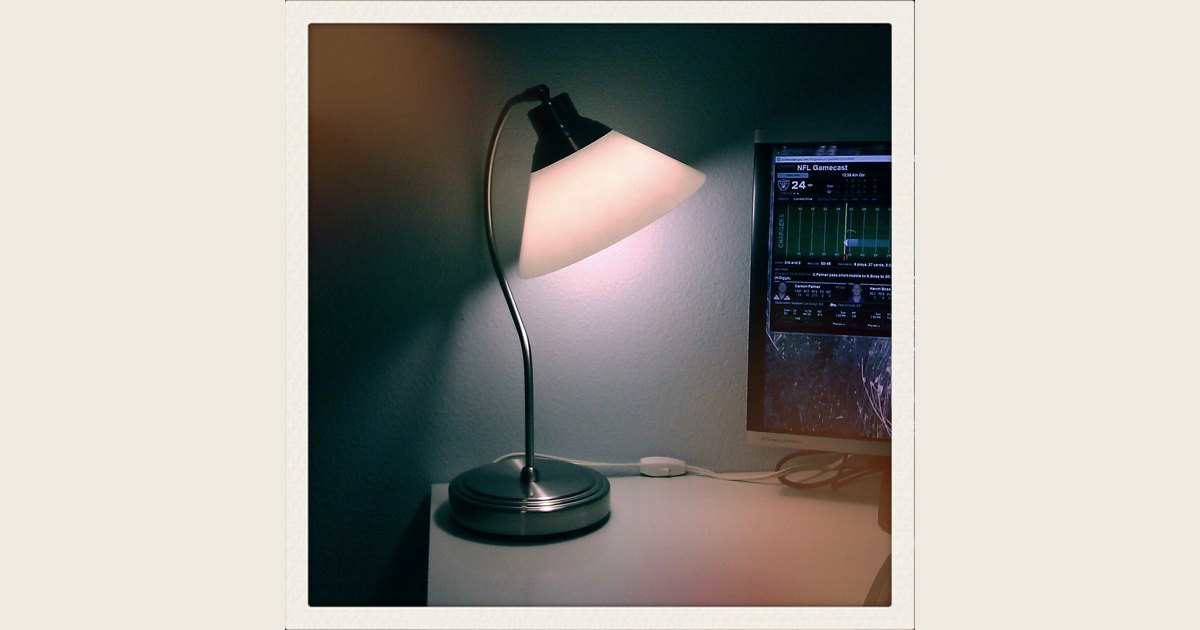
A desk lamp can be a practical travel item, but there isn’t a simple blanket “yes” that covers every lamp and flight. The official TSA item page we could confirm covers light bulbs, not the whole lamp; it lists bulbs as allowed in both carry-on and checked bags and says the TSA officer makes the final checkpoint decision. Your lamp also has to fit your airline’s baggage limits, and a rechargeable model brings battery rules into the picture.
For the least hassle, measure the lamp after padding, protect its shade and bulb, and check your airline’s current baggage and battery policies before leaving. A lamp with no battery avoids battery rules; any lamp still has to fit the baggage allowance and clear security screening.
Key Takeaways
- A TSA allowance for light bulbs is not the same as a specific approval for a complete desk lamp.
- Carry-on may suit a fragile lamp if it fits the airline’s size rules and can be stowed safely; checked baggage may suit a larger lamp if it is well protected.
- Treat a rechargeable lamp’s battery separately from a corded lamp. Spare lithium batteries must stay in the cabin, with terminals protected.
Can you bring a desk lamp on a plane?
There is no single answer that guarantees every desk lamp will pass every checkpoint or fit every aircraft. TSA’s published Light Bulbs page says bulbs are allowed in carry-on and checked bags, but that entry does not establish an allowance for a complete lamp. It was last updated in 2017, and TSA notes that the officer at the checkpoint makes the final decision.
In practical terms, plan to travel with a lamp only if it fits your chosen bag, has no damaged or exposed parts, and meets the airline’s restrictions. If it is unusually large, has a delicate glass shade, or contains a rechargeable battery, contact the airline before packing it. For TSA screening questions about the lamp itself, ask TSA directly rather than relying on the bulb entry as a substitute.
The Federal Aviation Administration (FAA) and TSA address different parts of air travel: FAA guidance covers hazardous-material safety in baggage, while TSA handles security screening. The FAA says its passenger chart lists common items and warns that an item missing from the chart is not automatically allowed (PackSafe for Passengers). So check both the screening question and the airline’s baggage rules.
Carry-on or checked baggage?
Choose carry-on for a lamp you want to keep close, provided the packed size fits your airline’s allowance and it can be stowed safely. Checked baggage may be more practical for a larger model, but the lamp needs strong protection against movement and pressure from other luggage. Neither option overrides battery requirements.
| Lamp or travel situation | Better starting point | What to check |
|---|---|---|
| Small, sturdy, corded lamp | Carry-on, if it fits | Airline size limits, overhead or under-seat fit, and TSA screening |
| Delicate shade or glass parts | Carry-on if it fits and can be protected; otherwise consider shipping | Whether the lamp can be safely disassembled, plus packaging and baggage limits |
| Large or heavy lamp | Checked bag or shipping | Airline checked-bag size and weight rules; protective packaging |
| Rechargeable lamp or spare battery | Keep battery rules in view before choosing a bag | FAA and airline rules for installed and spare lithium batteries; gate-check procedures |
Airline limits vary. For example, Delta’s carry-on page says a carry-on may not exceed 22 × 14 × 9 inches, including handles and wheels, and gives a 45-linear-inch combined limit. That is Delta’s policy, not a universal size standard. Check the carrier operating each leg of your journey, including partner flights. A lamp that fits your suitcase at home may not fit once it is padded.
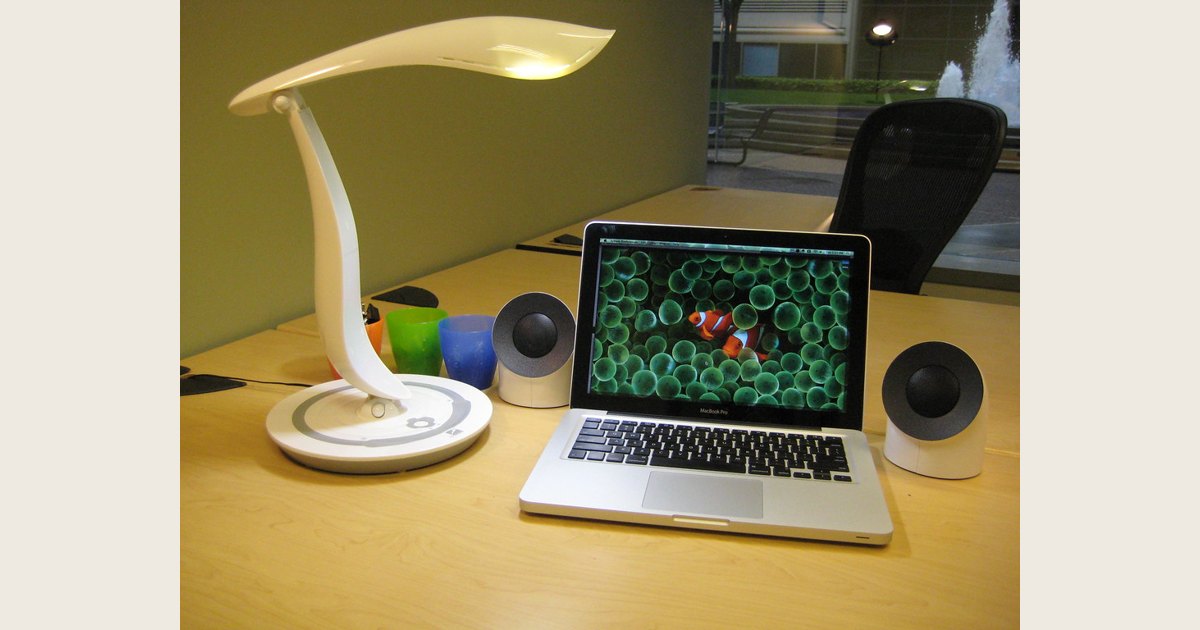
How to pack a desk lamp safely
Pack the lamp so that its fragile parts cannot take the force of a bump and so it cannot shift around inside the bag. Before packing, unplug it, let the bulb cool, and check the lamp’s manual if you plan to remove any part. Don’t force a shade, arm, or bulb that is not designed to come off.
- Measure the lamp after packing. Fold or collapse adjustable arms only as the manufacturer allows. Include the case, padding, handles, or other parts when checking the airline’s size limit.
- Remove a removable bulb only when it is cool. Cushion it separately in its original box or a padded sleeve. TSA’s light-bulb listing says bulbs are allowed in either bag, but fragile glass still needs protection.
- Secure the cord loosely. Coil it without tight kinks and keep the plug from scratching the lamp or shade. If the cord is fixed, pad the plug and tuck the coil beside the base rather than pulling it taut.
- Cushion the lamp on all sides. Wrap the base and arm separately if they could knock together. Put the lamp in the center of a suitcase, with soft clothing around it, not hard objects pressing against the shade.
- Keep the lamp from moving. Fill gaps with soft material. If it rattles when you gently move the closed case, add padding or choose a sturdier container.
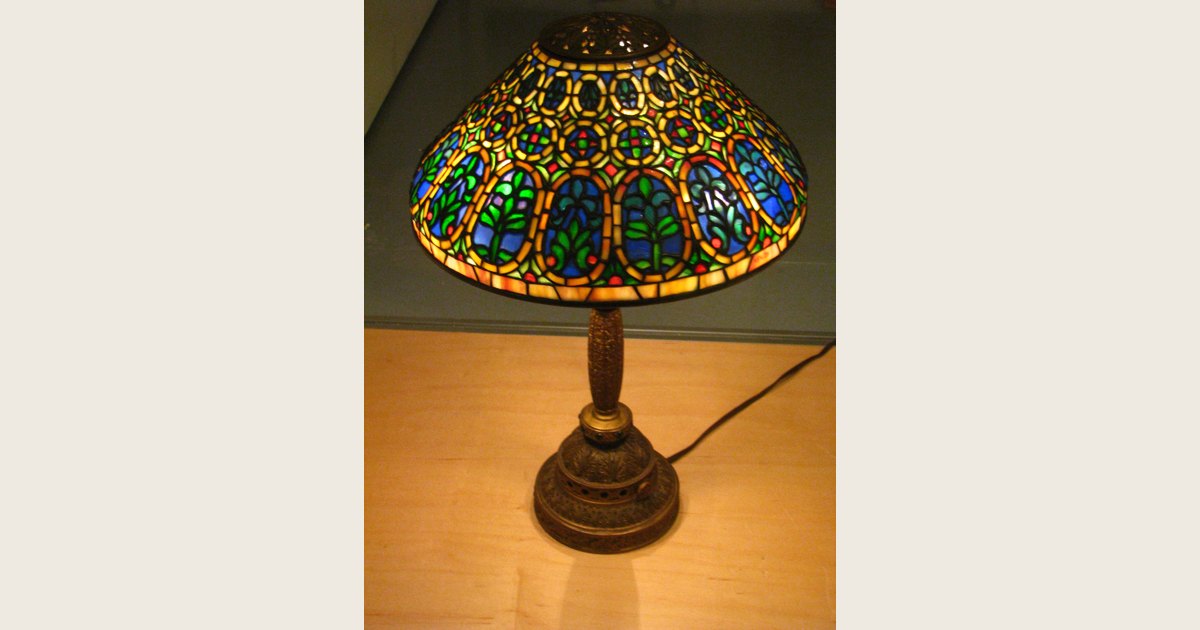
For a fragile, valuable, or oversized lamp, shipping it in a purpose-sized box may be more predictable than putting it in checked luggage. That adds cost and planning, so compare the carrier’s packaging and insurance terms with the airline’s baggage rules. If the shade is detachable, pack it separately only if the manufacturer permits removal and you can keep it from being crushed.
Corded vs. rechargeable desk lamps
A corded lamp has no onboard battery to manage; focus on its packed size, bulb, and baggage limits. For a rechargeable model, find the battery label or manual and note its chemistry, whether it is built in or removable, and its watt-hour (Wh) rating. Don’t estimate capacity from brightness or lamp size.
Before choosing a lamp to take, check its packed dimensions and weight against the airline’s limits; consider whether the shade can be protected from crushing; and fold or remove parts only if the manufacturer’s instructions allow it. For a rechargeable model, make sure the battery type and Wh rating are documented on the label or in the manual.
If the lamp has an installed lithium-ion battery
The federal passenger rule for personal-use portable electronic devices allows lithium-powered devices in carry-on or checked baggage, subject to conditions in 49 CFR § 175.10(a)(18). It names examples such as cameras and computers, not desk lamps, so ask the operating airline whether it treats your particular lamp as a covered portable electronic device. If it does, an installed lithium-ion battery is limited to 100 Wh unless the airline approves a device with a battery over 100 Wh and up to 160 Wh. In checked baggage—including a carry-on handed over for gate-checking—the device must be completely switched off, not in sleep or hibernation mode, and protected from accidental activation and damage. A device with a lithium-ion battery of 2.7 Wh or less is exempt from the switch-off requirement, but still must be protected.
If you remove the battery
A removed lithium battery is a spare: it must travel in the cabin, with its terminals protected against short circuits. If your carry-on is gate-checked, take the spare battery out and keep it with you. Spare lithium-ion batteries are generally limited to 100 Wh; up to two spares from 101 to 160 Wh require airline approval, and carriers may set stricter limits. Don’t put a removed lamp battery in checked baggage. See the FAA’s PackSafe lithium-battery guidance.
A damaged or recalled battery or battery-powered device that is likely to spark or generate dangerous heat must not be carried aboard in either carry-on or checked baggage unless the battery has been removed or otherwise made safe, according to FAA PackSafe lithium-battery guidance. Padding or consulting the manual alone does not make such a battery safe to carry. If a lithium battery or device overheats, expands, smokes, or burns during a flight, notify the crew immediately.
What to expect at the TSA checkpoint
Keep the lamp accessible in case an officer asks to inspect it. FAA dangerous-goods rules and TSA security screening are separate: meeting a battery rule does not guarantee that an item will pass screening.
Common questions
Can I put a desk lamp in checked baggage?
The lamp must fit the airline’s checked-bag limits and be protected from movement and impact. For a rechargeable lamp, confirm the battery classification and rating; if the airline treats it as a personal-use portable electronic device, follow the installed-battery conditions above. Any spare lithium battery goes in the cabin, not checked baggage.
What if my lamp does not fit the carry-on limit?
Check whether it can safely travel in checked baggage, or compare shipping options. Don’t force a detachable part or leave a fragile shade loose in a suitcase. Ask the airline about its checked-bag size and weight limits before you arrive.
Before you leave
Before you leave, measure the padded lamp and confirm the baggage limits for each operating airline. For a rechargeable lamp, verify its battery rating, ask the airline whether the portable-device rule applies, and follow its checked-bag instructions if gate-checking is possible. Keep any removed battery in the cabin and protect its terminals. If bringing a glass bulb separately, cushion it in a padded container.
Featured image credit: Photo: “New Desk Lamp” by brendan-c, licensed under CC BY 2.0; resized and padded. Illustrative stock photo; no product testing is implied.